
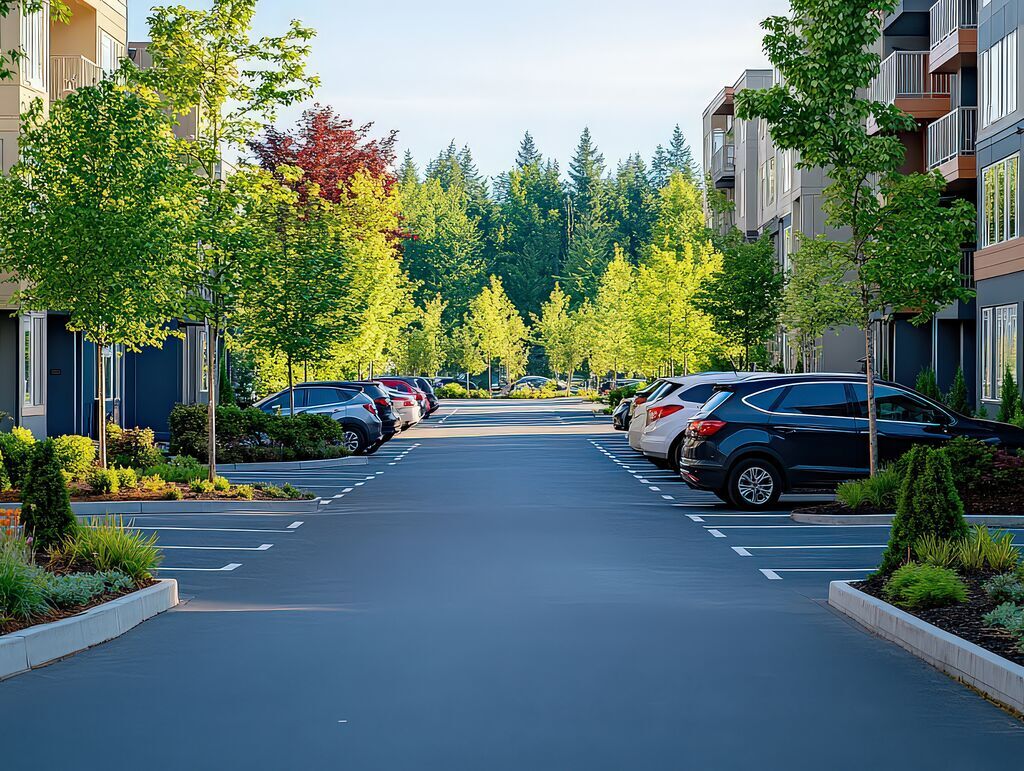
Discover the value and advantages of trees in urban settings, why these benefits are sometimes overlooked and how Wavin TreeTank helps planners and developers promote urban forests.
For city dwellers, trees are more than just a splash of color in a concrete jungle—they create a connection to nature and soften the urban landscape. Beyond their esthetic value, urban greenery fosters community pride, transforming neighborhoods into vibrant, shared spaces where people can gather and connect. Trees also make public spaces more inviting, encouraging people to get outside and engage in physical activity, which in turn boosts community well-being. Remarkably, leafy neighborhoods are even linked to lower crime rates, highlighting the profound impact trees can have on urban life.
However, beyond their beauty, trees enhance the urban environment in many other ways. Trees have the power to fight the effects of climate breakdown, improve residents’ health, support biodiversity and deliver quantifiable economic benefits.
Cutting carbon and improving air quality
Trees naturally absorb up to 150kg of carbon dioxide per year, creating efficient carbon sinks that absorb more carbon from the atmosphere than they release. They’re also effective at mitigating the effects of air pollution, primarily by intercepting airborne particles but also by absorbing ozone, sulfur dioxide, nitrogen oxides and ammonia.
As urbanization accelerates, this carbon capture and air purification will become even more important. By 2050, two-thirds of humanity could live in urban areas, increasing vehicle emissions and the energy demanded by homes, businesses and public amenities. Urban forests will be crucial in the drive to cut carbon, and, ideally, urban planners will strive to follow the “3-30-300 rule” when adding and preserving trees in cities.
This rule specifies that individuals living in optimum environments should be able to see three trees from their home, school or place of work, have a tree canopy that covers at least 30% of their neighborhood, and be able to access a public green space within 300 meters of their home.
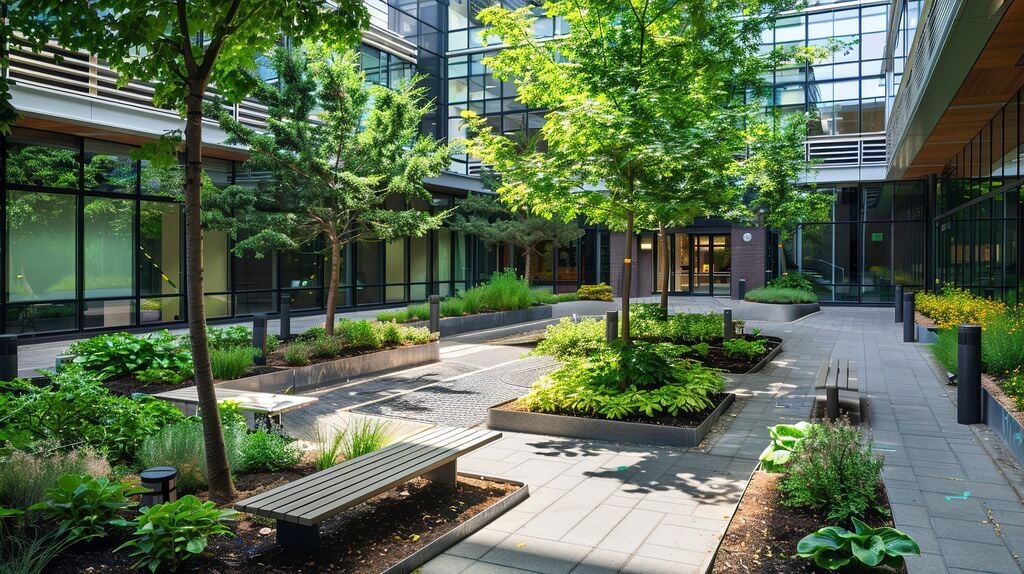
Natural coolants for pleasant living
Alongside their positive impact on the air, trees significantly cool urban environments, making them more comfortable to live in during hot seasons. They also help mitigate the urban heat island effect, a phenomenon in which city landscapes dominated by concrete and asphalt absorb and retain heat, leading to significantly higher temperatures than surrounding rural areas. Given that heat stress may affect more than 1.2 billion people annually by 2100, any actions that moderate urban temperatures are extremely valuable.
The strategic placement of trees in urban areas can cool the air by between 2ºC and 8ºC, as trees help manage temperatures through shade and evapotranspiration. Cities that systematically increase the quantity and quality of green spaces can increase their average cooling capacity by as much as 10ºC. This is particularly important for vulnerable populations, such as children, the elderly and individuals with health conditions that make them more sensitive to heat. It also means that, rather than rising temperatures forcing citizens inside, shaded streets, parks and public spaces make cities more walkable and accessible.
Water management heroes
In addition to effective heat management, mature trees possess a remarkable capacity for water storage, playing a crucial role in urban water management. The canopies of urban trees intercept rainfall, reducing surface runoff and lowering the risk of urban flooding, which improves the effectiveness of nature-based rainwater solutions. Tree roots also help stabilize soil, preventing erosion and protecting water quality by filtering pollutants before they reach waterways.
Health and mood enhancers
The health benefits of living near trees are considerable, too. Green, shady environments encourage physical activity, which reduces the risk of chronic diseases such as obesity, type 2 diabetes and heart disease. Trees improve air quality and help reduce asthma levels, and they are even proven to have multiple psychological benefits. Trees are so powerful that simply sitting in a room with tree views brings short-term benefits such as reduced anxiety and increased calmness.
Biodiversity boosters
Beyond the many ways urban forests enhance and support human life, they also help sustain biodiversity by providing habitats for various species, including birds, pollinators and small mammals. A diverse range of tree species contributes to ecological stability, ensuring that urban environments remain vibrant and rich in natural life for generations to come.
Economic accelerators
Many are surprised to learn that flourishing urban forests bring economic benefits as well as the advantages they provide to people, wildlife and the environment. Correctly placed, trees around buildings can reduce air conditioning needs by 30% and reduce the energy required for heating by 20–50%. Trees also have the power to increase property values, boosting local economies—houses in well-landscaped, tree-rich urban areas can command a price premium of 20%.
To successfully integrate trees into urban environments, planners, architects and developers should consider trees as essential infrastructure from the outset of any project. This means allocating adequate space for root growth, using permeable surfaces and selecting species suited to local conditions.
Cities across Europe are already leading the way: Milan’s Bosco Verticale integrates greenery into high-rise buildings to combat pollution and improve biodiversity, while Paris has introduced a plan to plant 170,000 new trees by 2026 to cool the city and enhance quality of life. By embedding green infrastructure into urban design, cities can enjoy the full economic, social and environmental value trees provide.
Play a part in making cities greener
From the host of benefits they bring, it’s clear that trees are indispensable in a sustainable urban landscape. However, they can be expensive to maintain, grow and keep healthy. They need uncompacted soil to root securely and absorb nutrients, minerals and oxygen.
This is where tree protection systems come in. These systems are designed to support healthy tree development in urban settings by creating structured, stable environments below ground. They prevent soil compaction caused by pedestrian and vehicle traffic, allow for optimal root expansion, and often integrate irrigation and stormwater management features. By mimicking natural growing conditions in a controlled, engineered way, tree protection systems help urban trees thrive—so they can deliver their full ecological and economic value.
Wavin TreeTank is a prime example of a tree protection system and offers an innovative, sustainable solution for urban tree planting. TreeTanks create safe underground protection zones for trees, ensuring healthy root growth while preventing soil compaction and enhancing stormwater management. As we strive for more sustainable infrastructure, solutions like Wavin TreeTank play a vital role in shaping the cities of the future.
Discover how Wavin TreeTank can help your next project incorporate more trees, easily and effectively 👉 Wavin TreeTank
About Orbia Building & Infrastructure (Wavin)
Orbia’s Building and Infrastructure business Wavin is an innovative solutions provider for the global building and infrastructure industry. Backed by more than 60 years of product development experience, Wavin is advancing life around the world by building healthy, sustainable environments for global citizens. Whether it’s to improve the distribution of clean drinking water, to make sanitation accessible for everyone, to create climate-resilient cities, or to design comfortable living spaces, Wavin collaborates with municipal leaders, engineers, contractors and installers to help future-proof communities, buildings and homes. Wavin has 12,000+ employees across approximately 65 production sites worldwide, serving over 80 countries through a global sales and distribution network.




.png?width=380&height=250&name=wavin-us-pprct%201%20(1).png)

